
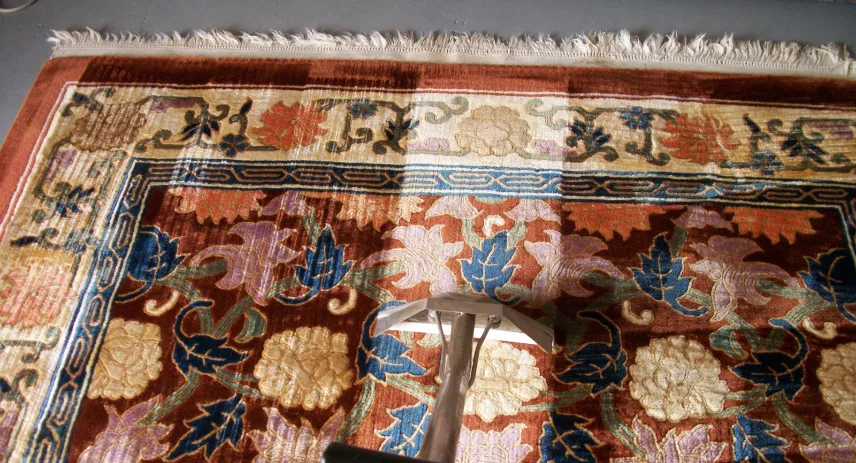
What does it mean to clean an Oriental rug? Oriental rug cleaning is a specific method that concentrates on cleaning and preserving the delicate materials on the heirloom while keeping the shape, bright colors, and overall worth of the oriental rug, making it a specialized form of professional area rug cleaning service. This plan uses both old-fashioned techniques and contemporary science to protect the overall quality of the heirloom. To understand this with further depth, let's talk about why this method is so different from cleaning a standard area rug before we get into the specifics.
What does it mean to clean an Oriental rug?
An Oriental rug is more than simply a floor covering. It's a work of art, a cultural object, and a major investment. You can't care for and keep these beautiful handcrafted rugs the same way you would normal carpeting. So, what does it mean to clean an Oriental rug? This process is particularly specific and cleans and protects these delicate materials without hurting its colors, structure, or value. It mixes old crafts with new science. Before we get into the complicated processes, are you ready to comprehend why this technique is so dissimilar from cleaning a conventional area rug?
Why Oriental Rugs Need Special Care
Because of how these rugs are made, they need a special cleaning method. To understand how to clean them, you need to know how they were made.
-
Fragile Natural Fibers: Most high-quality Oriental carpets are comprised of wool, silk, or cotton. These natural fabrics can shrink, feel, or become damaged by harsh chemicals and incorrect drying processes employed in normal cleaning.
-
Fugitive Dyes: Some old and new vegetable dyes don't always stay the same color. If you use the improper cleaning solutions, shake them too much, or put them in hot water, the rug's exquisite design can bleed or fade.
-
Hand-Knotted Construction: The strength of a hand-knotted rug comes from how tightly it is tied. This base can alter form if you don't clean it right, which might make the rug stretch, pucker, or lose its shape for good.
-
Value Preservation: An Oriental rug that is well cared for might become more valuable. If you clean it the wrong manner, you may ruin the fibers, make the color bleed, or cause difficulties with the structure, which would diminish its value.
A Step-by-Step Guide to the Professional Oriental Rug Cleaning Process
The technique for washing Oriental rugs is a long and thorough set of processes that are meant to protect the rugs first and clean them second.
1. First Look and Test
The process begins long before any water is applied:
-
Check the rug for any damage, wear, or weak spots that are already there.
-
Do a very important colorfastness test on each dye lot in a place that isn't easy to see to find out which cleaning products are safe to use.
-
Identify the types of soil and stains to select the suitable pre-treatment.
2. Taking out dry soil
-
A lot of the soil is dry and rough. Professionals utilize a specialized dusting machine that beats the rug gently but effectively, eliminating deeply ingrained sand, grit, and dry particulate matter that a vacuum cannot reach.
This step is very important since this grit can cut wool fibers over time if it isn't removed.
3. Cleaning by hand and getting ready
This is where the artisan's expertise really shines:
-
Use moderate solutions to clean the fringes by hand.
-
Use special cleaning products that are pH-balanced to get rid of stains like pet urine, wine, or oil.
-
To break up the soil without hurting the knots, gently agitate the pre-treatment solutions into the pile by hand or with soft brushes.
4. Cleaning and rinsing
-
We clean the rug with cold, low-pressure water by either putting it in water or on a special washing platform. This is significantly different from steam cleaning or hot water extraction, which can set stains and make dye bleed. The soft wash gets rid of the dirt and cleaning agents that are stuck in the air.
5. Drying with control
-
This could be the most critical step. The carpet is never left wet. It enters a drying room with controlled temperature and humidity, where the air may move freely. This makes sure that the rug dries completely and evenly in a few hours, which stops mildew and moth larvae from forming on wet wool.
6. Last grooming and checking
-
The rug is hand-groomed to restore the luxurious texture and direction of its pile after it has dried entirely. A last quality control check makes sure that the rug is back to its original condition, that every stain has been cleaned, and that the colors are brilliant.
Why you shouldn't clean your own Oriental rugs
It's very risky to try to clean an Oriental rug yourself with rented machines or things you buy at the store.
-
Not Testing Colors: If you don't test the colors first, you could ruin a beautiful rug by making the dye bleed, which would make it look like a blurry mess.
-
Not letting it dry enough: It takes too long to dry it at home, which causes moths and mildew get in and ruin the rug from the inside out.
-
Harsh chemicals: Cleaning products that you use all the time can take lanolin out of wool, which makes the fibers weak and more likely to break.
-
Damage to the building: The strong suction of rental machines can weaken the foundation and pull knots apart.
Frequently Asked Questions
1. How often should I hire someone to clean my Oriental rug?
Most homes should have a thorough professional cleaning every one to three years. If you have dogs or a lot of people coming and going through your home, you may need to clean your rugs more often.
2. Can you clean a silk Oriental rug the same way you clean a wool rug?
The method is the same, but silk carpets need more care, gentler treatments, and softer handling. Always hire a cleaner who has cleaned silk garments previously.
3. What kind of regular maintenance should I undertake between professional cleanings?
It's crucial to vacuum often (without a beater bar) and pick up spills right away with a dry cloth. Rotating your rug every year also makes sure that sunlight and foot activity wear it evenly.
4. Do you also repair rugs?
In addition to cleaning carpets and other high-end rugs, we also fix ripped fringes, holes, and worn areas. This will preserve your rug from breaking apart and make it appear better.
5. Does the size of the rug make any difference?
Yes, the size of the rug will directly affect the cost of cleaning of the Oriental rug. And also the amount of time it will take in cleaning it.
Take care of your heirloom like a pro
When you know what Oriental rug cleaning is, you see that it's more than simply a chore; it's an important investment in preservation. It is a sophisticated technique that protects the story, beauty, and value that are woven into your rug for many years to come. Contact us today to protect your Precious Oriental rugs.


