
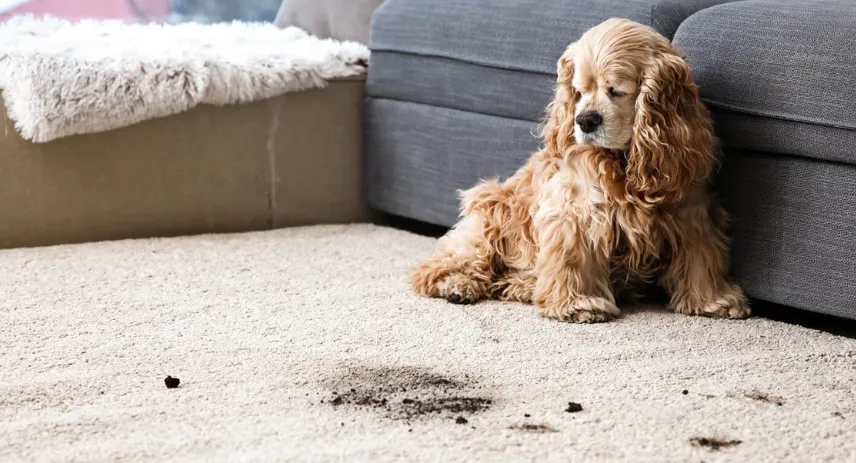
A home that smells fresh and clean is a key part of comfort. Carpets, on the other hand, are great at holding onto smells from pets, spills, and wetness. The right stain and odor removal is the key to success. Using the wrong product can make a stain worse, hurt fibers, or cover up the smell for a short time. This guide gives you a clear way to choose the best carpet odor remover for your needs, so you can make your home seem fresh and healthy again.
A Step-by-Step Guide to Picking the Right Carpet Odor Remover
The First Step: Finding Out the Source of the Carpet Smell
You can't pick the appropriate carpet odor remover until you know exactly what the problem is. Different smells have different chemical makeups, and each one needs a different neutralizing agent.
Carpet Odor: Where It Comes From
Pet Urine: This smell is strong, like ammonia, and it doesn't go away. The problem is that uric acid crystals accumulate deep inside the carpet padding and reactivate when they get wet. A basic carpet odor remover won't work on these.
Mold and mildew: This scent is musty and earthy, and it comes from wetness and the growth of microbes. The smell comes from chemicals that mold colonies let out. To get rid of the mold, you have to kill it.
Food and Drink Spills: These smells might be sour, sweet, or rancid, and they are created by bacteria eating organic waste that is still in the carpet.
Smoke (from tobacco or fire): A strong, harsh scent that comes from gases and particles that are deep into fibers. To get rid of it, you need to use more than one method.
General Dirt and Traffic: A general "unclean" smell from dirt and microorganisms that have gotten into the ground. This smell usually goes away with a complete cleaning.
A correct diagnosis will tell you what kind of carpet odor removal you require.
What are the Types of Carpet Odor Removers?
There are many types of carpet odor removers, each with its own way of working. To make an informed choice, you need to know how these things work.
1. Enzymatic Cleaners
Enzymatic cleansers are living bacteria and enzymes that speed up chemical reactions.
How They Work: They break down organic materials that makes smells (such urine and proteins) into chemicals that don't smell and then eat them.
Best for: smells from pets, food spills, and other living things. They need time to work and shouldn't be used with regular chemicals.
2. Oxidizing Cleaners
These have hydrogen peroxide.
How They Work: They change the overall structure of odor-causing molecules by breaking the chemical connections in between them through oxidation.
Best for: stains that are really bad and scents that are hard to get rid of, such smoke and old pet urine. They can bleach carpets, but you have to test them beforehand.
3. Disinfectant and Antimicrobial Cleaners
These are used to get rid of the germs that make the smell.
How They Work: Antimicrobial agents eliminate mold spores and bacteria that cause smells.
Best for: Mold, mildew, and smells that come from bacteria growing. They might not break down the leftover organic stuff.
4. Absorbent Deodorizers
How They Work: They soak up all the moisture and remove the mild acidic smells.
Best for: Basic scents that are a bit shallow or mild and while keeping things clean between deep cleans. Not good for strong smells like pet accidents.
Things to Consider When Choosing an Odor Remover
Important Things to Think About When Choosing a Product Before buying a carpet odor remover, think about these unique aspects and your situation.
The type of carpet and how well it holds color: Natural fibers like wool are fragile and can be destroyed by strong chemicals. Always read the cleaning instructions on your carpet and do a spot test.
How bad the smell is and how old it is: Enzymes work better on smells that are new. If the smells are older, you could need oxidizers or a professional.
Safety for Homes with Kids and Pets: Look for formulas that are safe, plant-based, and will break down on their own. Stay away from things that have a lot of volatile organic compounds (VOCs).
How easy it is to use and how long it needs to stay: Be honest about the procedure. Some things need to stay wet for a whole day. Read reviews to learn how to apply.
Scent: If you have sensitivities, you can choose between scented products that cover off smells while you clean and unscented products that really get rid of the stench.
How to achieve maximum product effectiveness?
To function properly, any carpet odor remover needs to be applied appropriately.
Blotting and removing the first time: Use a white cloth to blot fresh liquids. Don't rub it, because that makes the substance go deeper.
Precleaning and Vacuuming: Before cleaning and vacuuming, make sure to vacuum well to get rid of any dry residue that could be hiding the source of the smell.
Do a spot test: Put the product on a small area that isn't very visible to see if it bleeds color or damages it.
Follow the directions for how to use the product: Follow the label on the product exactly for how much to dilute it, how to use it, and how much to use.
The Important Dwell Time: Give the product the full amount of time it needs to work. For enzymes, cover the area with plastic wrap and keep it wet for up to 24 hours.
Rinse and dry it well: Use clean water to rinse it and then extract it. Use fans and dehumidifiers to help things dry quickly and stop mildew from growing.
Using the right technique makes sure the product operates as it should.
Types of DIY Carpet Odor Removers
There are a few DIY carpet deodorizers that work for milder smells, but you need to know what they can't do.
The Baking Soda Method: Put baking soda on dry carpet, let it lie for hours to soak up smells, and then vacuum. Best for light deodorizing in general.
Hydrogen Peroxide Solution: To make a hydrogen peroxide solution, mix 3% hydrogen peroxide with a little bit of mild dish soap. First, check for bleaching. Put it on, rub it in, and rinse it off. Use with care; best for organic stains.
Essential Oil Deodorizing Spray: Put essential oils, water, and rubbing alcohol in a spray bottle and shake well. Lightly spray the carpet. It only covers up smells; it doesn't get rid of them.
Most DIY carpet deodorizer treatments only work on the surface. You need a business carpet odor remover for smells that are deep and last a long time.
When is it time to give up and call in the pros?
There are times when you can't fix things yourself. When you have a problem like this, call a pro like AandBCarpet:
Recurring Odors: Recurring odors and smells mean that the problem has gotten into the cushioning or subfloor.
Widespread or Severe Contamination: This is when there are big problems like fires or floods that need industrial-grade tools.
Worry about Damage: Professionals know how to safely clean carpets that are pricey or fragile.
Health Concerns: Professionals know how to appropriately handle biohazards when there is a lot of mold growth.
Hiring a pro is a good way to keep your carpet looking good and your house healthy.
Frequently Asked Questions
1. What is the best way to get rid of the smell of pet urine on carpet?
Using a good enzymatic cleaner that breaks down the uric acid crystals is the best approach to get rid of pet pee smells in carpets.
2. Is vinegar a good way to get rid of carpet smells?
Vinegar can get rid of light smells, but it doesn't work on pet urine and can leave stains. It's great to use as a light carpet deodorizer that you can make yourself.
3. Why does my carpet smell worse after I've cleaned it?
This "wicking" effect comes when cleaning pulls old, trapped smells from the padding or subfloor up to the surface.
4. How long does it take for a carpet odor remover to work?
It takes 24 to 48 hours for enzymatic cleaners to work. Oxidizing cleansers might work in an hour. Deodorants that soak up odors work right away, but only for a short time.
5. Does steam cleaning get rid of smells?
Steam cleaning works well for filth and grime, but it usually doesn't get rid of strong smells like pet pee without a special carpet odor remover.
Get Help from Experts to Rejuvenate Your Carpets
To get the best carpet odor remover, you need to figure out what's the cause of the smell, buy the right odor remover, and use it correctly. You can choose a remedy that will get rid of the problem for good if you know where it came from.
But some smells are too strong or too common for you to fix yourself. It's time to call the pros when your attempts don't work. Contact AandBCarpet for expert guidance in resolving your specific odor problems.


