
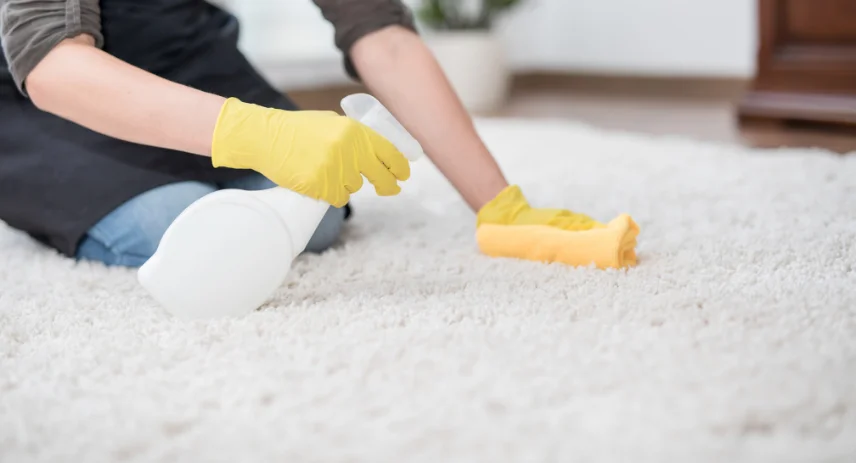
It is useful for any homeowner to know how to clean their own rug. Regular cleaning between professional deep cleanings keeps your home looking good, makes your rugs last longer, and lets you clean up spills and stains right away. But using the wrong methods can cause damage, discoloration, or moisture that won't go away. This complete guide will show you the safest and most effective ways to clean a rug yourself.
What are DIY Techniques? How to Clean a Rug at Home
Understanding how to clean a Rug at Home is beneficial for any homeowner. Regular upkeep in between expert deep cleanings prolongs the life of your rugs, keeps your living area smelling great, and enables you to quickly remove spills and stains. But if the incorrect methods are used, moisture, discoloration, or deterioration may remain. This complete guide will teach you the safest and best ways to clean rugs yourself, so you can be sure you are taking care of your investment.
Essential Items for Successful Rug Cleaning at Home
Getting the proper equipment is the first step towards becoming an expert rug cleaner at home. A common error that can do more harm than good is using the wrong products.
-
Superior Vacuum Cleaner: Crucial for eliminating abrasive, dry soil. The best model for capturing allergens is one with a HEPA filter.
-
Clean, White Microfibre Clothes: Colored textiles can transfer dye, so use clean, white microfiber cloths or towels to blot stains
-
Soft Brush or Sponge: To gently work cleaning solutions into fibers without causing damage, use a soft-bristled brush or sponge.
-
Clear Dish or Castile soap: Clear dish or Castile soap is a pH-neutral cleaner that is kind to the majority of rug fibers.
-
White Vinegar: A natural deodorizer that aids in eliminating odors and dissolving residue is white vinegar.
-
Baking Soda: Baking soda is an essential component of one of the most widely used do-it-yourself methods for cleaning rugs so they absorb odors.
-
Enzymatic Cleaner: An essential tool for pet stains that gets rid of smells at their source.
DIY Steps on How to Clean a Rug at Home
Step 1: The Fundamental Procedures
Cleaning right away without preparation is a surefire way to end badly. The difference between a successful and damaging clean is preparation.
-
Identify Fibre Type: To determine the type of fiber, look for a manufacturer's tag that has cleaning codes (such as W, S, WS, or X). This determines the safest cleaning techniques.
-
Colorfastness Test: To test for colorfastness, wet a white cloth with your cleaning solution and dab the rug in a discrete spot. Avoid doing a wet clean if there is any color transfer to the cloth.
-
Vacuum thoroughly: Move slowly and in several directions over the entire rug. This gets rid of dirt particles that can become mud when the rug fibers are being cleaned, ground into, and cut.
Step 2: Targeted Stain Removal and Overall Cleaning
To clean rugs well at home, you need to know the difference between spot treatment and a full makeover.
Cleaning Up Common Stains
The rule of thumb is to blot, not scrub. Scrubbing hurts the fibers and makes the stain spread.
-
Food and Drink Spills: To clean up food and drinks that have spilled, soak up the extra liquid. Mix 1/4 teaspoon of clear dish soap with 1 cup of warm water. Put a little bit on and then rinse it off with a cloth that has been soaked in clean water.
-
Greasy Stains: For greasy stains, sprinkle cornstarch on the spot and let it soak up the grease for 15 minutes. Then, vacuum it well.
-
Pet Accidents: Wipe up any wet spots from pet accidents. When you use an enzymatic cleaner, make sure to read the instructions on the label. These are made to break down the proteins in urine that smell bad for a long time
The Power of Baking Soda
One of the easiest and most effective ways to clean rugs yourself is to use baking soda. This is a great way to get rid of smells and freshen up between deep cleans.
-
How to use: Spread a thick, even layer of baking soda over the whole dry rug.
-
Settle: To settle, leave the baking soda for at least half an hour, or overnight if the smell is more overpowering. Light soil will be loosened and odors will be absorbed by the baking soda.
-
Vacuum: Make sure to vacuum the entire rug until all of the baking soda has been removed.
Cleaning the Whole Rug
Colorfast rugs can be cleaned with a mild homemade solution for a complete makeover.
-
DIY Cleaning Solution: In one gallon of warm water, combine ¼ cup white vinegar and ¼ cup clear dish soap.
-
Application: Apply the solution to the rug in small areas using a sponge or soft brush. Do not oversaturate the fibers.
-
Rinsing: It is an essential step. Rinse the soap off the rug with a sponge and fresh water. Dirt will be drawn to residue.
-
Drying: Use fans to move air around and use dry towels to blot away extra moisture. To avoid mildew, the rug needs to dry completely in 8-12 hours.
Even with the greatest do-it-yourself rug cleaning methods, some jobs are better left to the experts. When should you turn off the vacuum and call a professional to take care of your rug?
When to Call in a Professional
Understanding the boundaries of area rug cleaning at home safeguards your investment.
-
High-value, delicate, or antique rugs call for specific solvents and expertise.
-
Large or Widespread Staining for large areas, professional-grade equipment is required.
-
For your health and safety, mold or mildew must be professionally removed.
-
If a stain remains, stop after two cautious tries. Additional do-it-yourself work could permanently set the stain.
Frequently Asked Questions
1. Can I clean any kind of rug with baking soda?
Baking soda works well as a dry deodorizer on most carpets. To prevent a dusty residue, always test a small, hidden area first, especially on natural fibers like silk or wool. You should also make sure to vacuum the entire area.
2. What are the best ways to clean a rug that has pet urine on it using baking soda?
Baking soda will not get rid of the enzymes in pet urine that give off lingering odors, but it can help with surface odor. An enzymatic cleaner is required for pet accidents. After the enzymatic treatment is completely dry, you can use baking soda to absorb any last traces of smell.
3. After I cleaned my rug, why did it become discolored?
There are two possible causes for this: either the dyes were not colorfast and bled during wet cleaning, or a cleaning residue was left behind that drew dirt and darkened the area (a process known as "wicking").
5. Is steam cleaning an effective do-it-yourself rug cleaning method?
A rental steam cleaner has a high risk of overwetting, which can result in mold and mildew, but it can be used on strong, colorfast rugs. Additionally, they don't work well with a lot of natural fibers. Take great care and make sure everything dries quickly.
6. Can carpet cleaning make you sick?
Carpet cleaning can cause temporary discomfort if done improperly. Overwetting, poor ventilation, or leftover cleaning residues can lead to mold growth or release of allergens and fumes, which may cause headaches, allergies, or respiratory irritation
Maintain your Home with Expert Deep Cleaning
Knowing how to clean a rug at home gives you the ability to keep your surroundings tidy and fresh every day. To keep your rug's value and beauty, you need to hire a professional to do a thorough, sanitizing cleaning. A&BCarpet's experts have the industrial tools and knowledge to safely get rid of allergens and dirt that has been ground in. Contact us Today.


